One question stops many engineers when ordering prototypes
“ENIG or hard gold plating?” The quote often shows hard gold costing noticeably more. Is it worth it? This guide gives you a clear comparison and a selection checklist so you only pay for what your board actually needs.
1.Two “golds” are not the same
· ENIG (Electroless Nickel Immersion Gold): a thin gold layer (0.05–0.1µm) deposited over nickel (3–5µm) by chemical displacement. Gold only protects the nickel; the nickel does the soldering. · Hard gold (electroplated): a thicker gold layer (typically 0.5–2µm, edge connectors thicker) plated on, often alloyed with cobalt/nickel for hardness. Gold is the contact surface and solders—but joints can be brittle.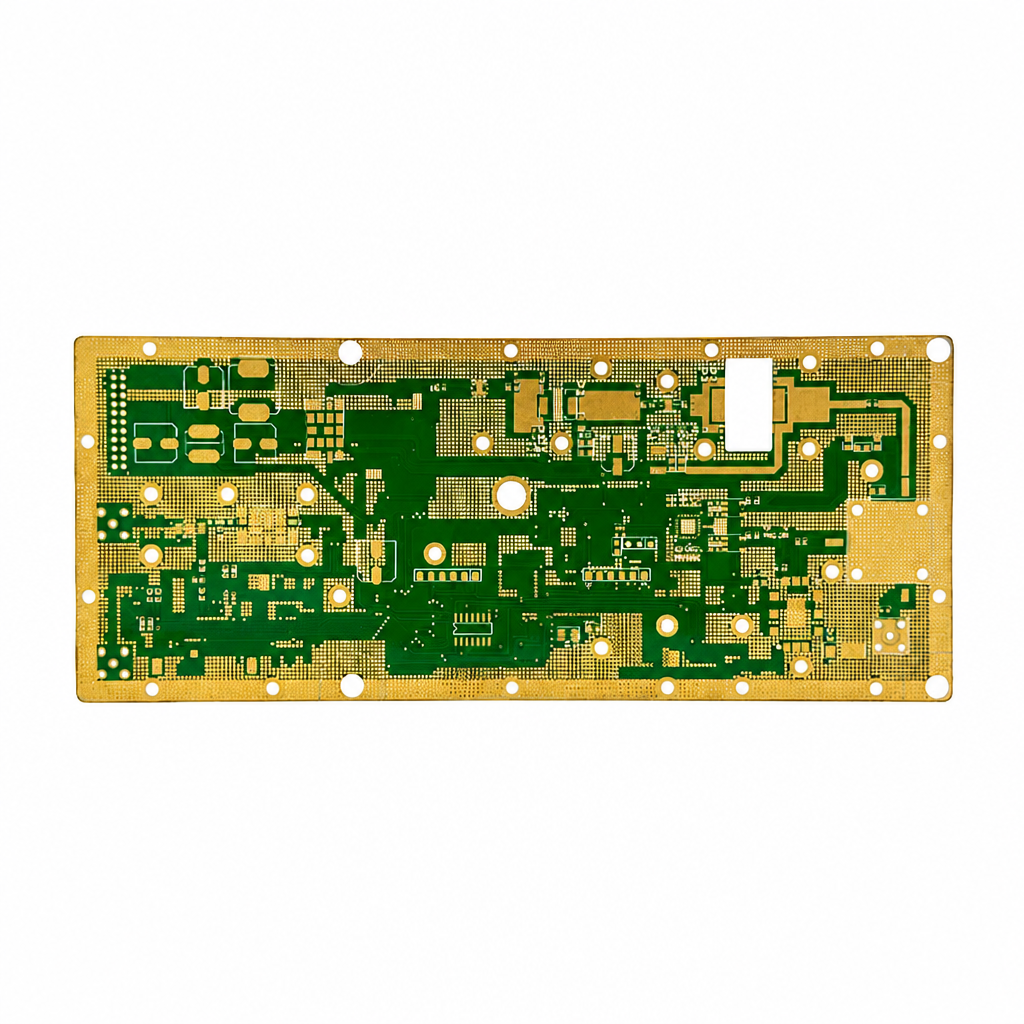
2.The one-line difference
· ENIG: thin gold, flat, great solderability, cheaper, not wear-resistant → for SMT boards that are soldered and stay put. · Hard gold: thick gold, wear-resistant, stable contact resistance, expensive, poorer solderability → for connectors that are plugged/unplugged or rubbed.
3.When to pay for hard gold
- Edge connectors / gold fingers (PCIe, DIMM, headers): thousands of mating cycles; ENIG wears through quickly → hard gold required.
- Push buttons, DIP switches, relay contacts: constant mechanical wear.
- High-frequency / high-current connectors: need stable long-term contact resistance.
- Test pads / probe points: frequent fixturing benefits from thick gold.
4.When ENIG is enough
- Most SMT assemblies: parts stay put; ENIG is flat and solderable, ideal for BGA / fine pitch (0.4mm).
- Prototypes / low volume: cost-sensitive; ENIG is cheaper overall.
- Multiple reflow cycles: ENIG surface stays solderable.
- COB, heat-sink pads—where flatness matters.
- Middle ground: selective hard gold
Plate hard gold only on contact areas; ENIG or HASL elsewhere. Keeps wear resistance where needed, controls cost. Common for volume connector boards.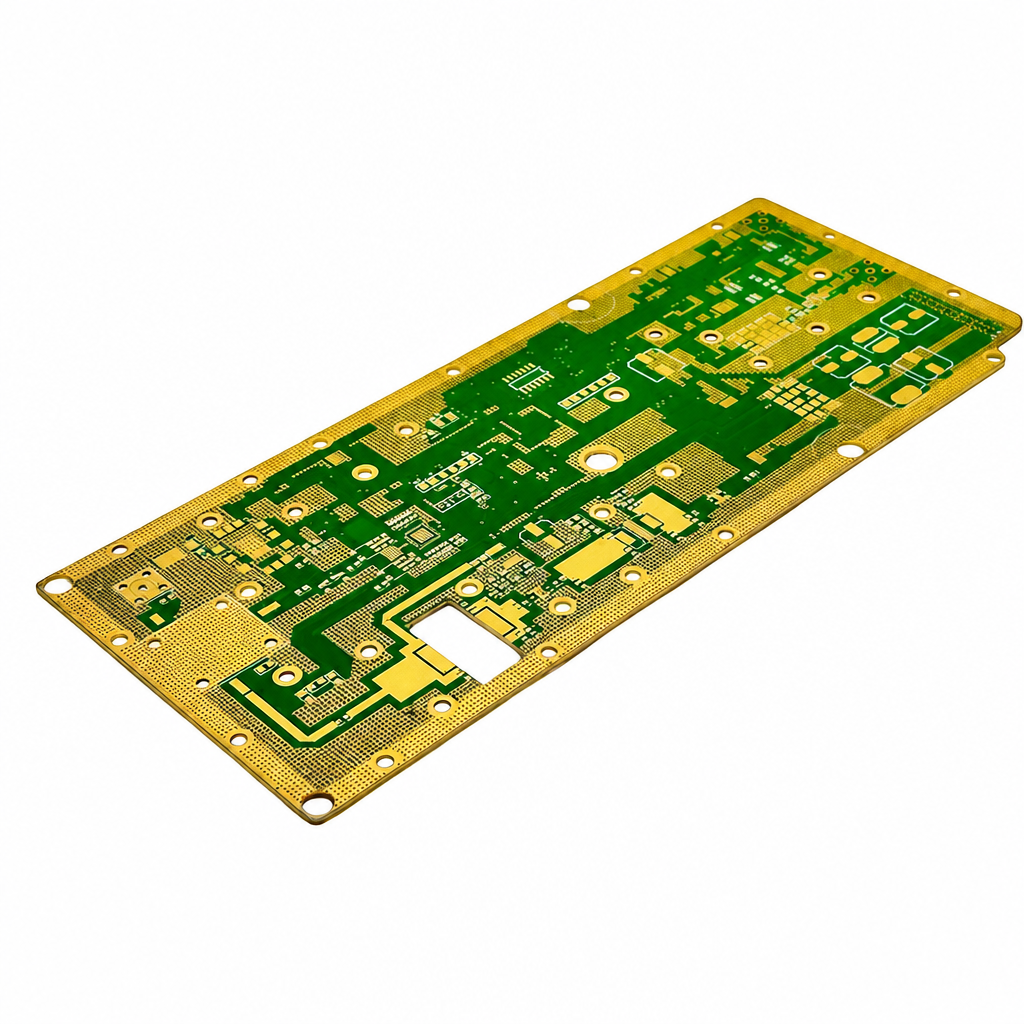
5.Selection checklist
· Board has repeated-mating connectors? → yes: hard / selective gold; no: ENIG. · Mainly SMT / BGA? → yes: ENIG. · Cost-sensitive prototype? → yes: ENIG. · Contacts see long-term friction (buttons / relays)? → yes: hard gold.
Conclusion
Rule of thumb: “solder it → ENIG; rub it → hard gold.” Spend where it matters. If you’re evaluating surface finish for a board, send us the Gerber and application—our engineering team will give free DFM and finish advice.