IoT
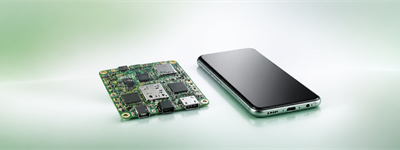
The Internet of Things turns everyday objects into connected, data-generating devices, and that demand pushes PCBs toward smaller footprints, lower power draw, and far higher integration. From smart sensors and wearables to gateways and industrial nodes, Donlly builds IoT boards that balance cost, size, and reliability for products that have to ship in volume and still run for years on a small battery.
Our prototyping service turns your concept into a working sample in days, with 1-40 layer rigid, flex, and rigid-flex options, full AOI and electrical test, and lead-free processes suited to battery-powered designs. For connected products we routinely handle ultra-low quiescent-current layouts, RF antenna matching, EMI control, and miniaturization through HDI blind and buried vias - the details that decide whether a device meets its range and battery-life targets.
When you move to volume, our one-stop PCBA line manages SMT, THT, and mixed placement from 01005 to fine-pitch BGA, with AOI, X-Ray, ICT, and functional testing so every connected device ships verified. We also run design-for-manufacturability reviews and can source hard-to-find components, helping you avoid the costly re-spins that delay a launch and erode margin.
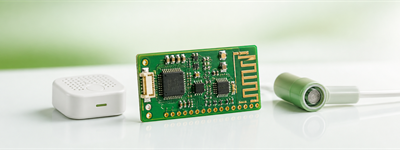
Quality discipline matters as much as speed: we work to IPC acceptance classes, keep process records for traceability, and align tests to your specification rather than a generic pass/fail. Whether you need a tiny rigid-flex tag, an HDI module, or a low-power sensor node with tight impedance control, Donlly supports the full path from sample to mass production under one roof, so your firmware and mechanical teams coordinate with a single board partner instead of juggling several.
Beyond the bare board, we help IoT teams think about the whole build: panelization for cheaper fabrication, test jigs for fast functional checks, and firmware-friendly footprints that make flashing and debugging painless. Our engineering team joins design reviews early, so form-factor and antenna constraints are settled before tooling, not discovered after. The result is a connected product that is cheaper to make, easier to test, and faster to certify - exactly what a crowded IoT market rewards. If you are scoping a new device, send the schematic and we will flag the layout and sourcing risks before they cost you a spin.